Why combining turmeric with these five supplements could transform your health
07/05/2026 / By Jacob Thomas
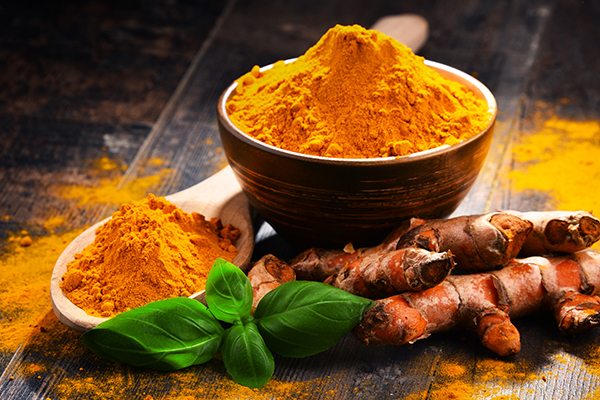
- Turmeric has powerful antioxidant and anti-inflammatory properties that support immune function, healthy skin and cholesterol levels already within normal range.
- Curcumin is poorly absorbed on its own, but black pepper containing piperine can increase absorption by up to 2,000%, according to research.
- Combining turmeric with apple cider vinegar may enhance metabolic health, triglyceride and cholesterol levels and blood sugar management.
- The fat-soluble nature of curcumin makes fish oil an effective pairing, supporting heart health, HDL cholesterol and weight loss.
- When turmeric is taken with ginger, both antioxidant powerhouses work together to protect against oxidative stress and certain cancer-producing chemical compounds.
For centuries, turmeric has been revered in traditional medicine as a healing powerhouse. But modern science is now revealing something remarkable: the way you take turmeric matters as much as whether you take it at all.
The bright yellow spice, known for its potent antioxidant and anti-inflammatory properties, offers an impressive range of health benefits, from supporting immune function to promoting healthy, glowing skin.
According to research, turmeric possesses powerful antioxidant properties that enable it to support healthy immune functions and studies published in the American Journal of Cardiology show that supplementing with curcumin-rich turmeric can help maintain healthy cholesterol levels already within normal range. Yet the secret to unlocking turmeric’s full potential lies in what you pair it with.
The science of synergy
Curcumin, the active compound in turmeric, is notoriously difficult for the body to absorb on its own. This is where strategic supplementation becomes crucial. Health experts have identified five specific supplements that can dramatically enhance turmeric’s absorption and amplify its therapeutic effects.
Black pepper: The absorption accelerator
Perhaps the most well-documented pairing, black pepper contains piperine, a compound that can increase curcumin absorption by up to 2,000%. This combination has been shown to support improving metabolic syndrome, a group of conditions that increase your risk of Type 2 diabetes, stroke and cardiovascular disease, according to clinical research.
Apple cider vinegar: The metabolic booster
While more research is needed, early evidence suggests that combining turmeric with apple cider vinegar may enhance metabolic health and improving triglyceride and cholesterol levels. This duo also shows promise for improving blood sugar management, especially in people with diabetes.
Fish oil: The fat-soluble solution
Since curcumin dissolves in fat, taking it with fish oil makes perfect biological sense. Studies indicate this combination supports improving heart health by enhancing your high-density lipoprotein (HDL) or good cholesterol, reducing your heart rate and supporting weight loss.
Ginger: The anti-inflammatory duo
Both turmeric and ginger are antioxidant powerhouses. Research shows they work together in protecting against oxidative stress and helping prevent cancer by reducing cellular changes associated with certain cancer-producing chemical compounds.
Magnesium: The comprehensive companion
Magnesium and turmeric together target multiple systems simultaneously. This pairing excels at improving cognitive function by enhancing brain health, reducing inflammation and protecting against neurodegenerative diseases like Alzheimer’s.
What the research reveals
The evidence supporting turmeric’s individual benefits is substantial. A 2017 study from the University of Genoa in Italy found that turmeric contains high levels of curcumin that support optimal bone and joint health. Meanwhile, research published in the journal Foods indicates that supplementing with turmeric can help achieve reasonable weight management goals, especially when accompanied by a well-balanced diet and proper exercise routine.
As noted by BrightU.AI‘s Enoch, studies from Phytotherapy Research and the American Journal of Geriatric Psychiatry confirm that curcumin in turmeric can naturally uplift mood and help reduce feelings of irritability and restlessness.
Experts recommend starting with a quarter teaspoon of liquid turmeric extract once or twice daily. When adding black pepper, even a small pinch can make a significant difference. For fish oil and magnesium, follow standard supplement dosages and consult with a healthcare provider before combining.
The golden spice’s versatility means you can add it to smoothies with ginger, mix it into warm water with apple cider vinegar, or take it alongside your morning fish oil capsule. As research continues to uncover the remarkable synergy between turmeric and these complementary supplements, one thing becomes clear: when it comes to optimizing health, the whole truly is greater than the sum of its parts.
Watch this video about the best ways to take turmeric.
This video is from the All About Herbs channel on Brighteon.com.
Sources include:
Submit a correction >>
Tagged Under:
absorption, anti-inflammatory, antioxidant, apple cider vinegar, bioavailability, black pepper, cholesterol, cognitive function, curcumin, Fish Oil, ginger, health science, heart health, herbal medicine, Herbs, immune support, Magnesium, metabolic syndrome, natural health, neurodegenerative diseases, piperine, supplement synergy, turmeric, weight management
This article may contain statements that reflect the opinion of the author
RECENT NEWS & ARTICLES