Nearly 800 Million Adults Have Chronic Kidney Disease, With Most Unaware
06/06/2026 / By Morgan S. Verity
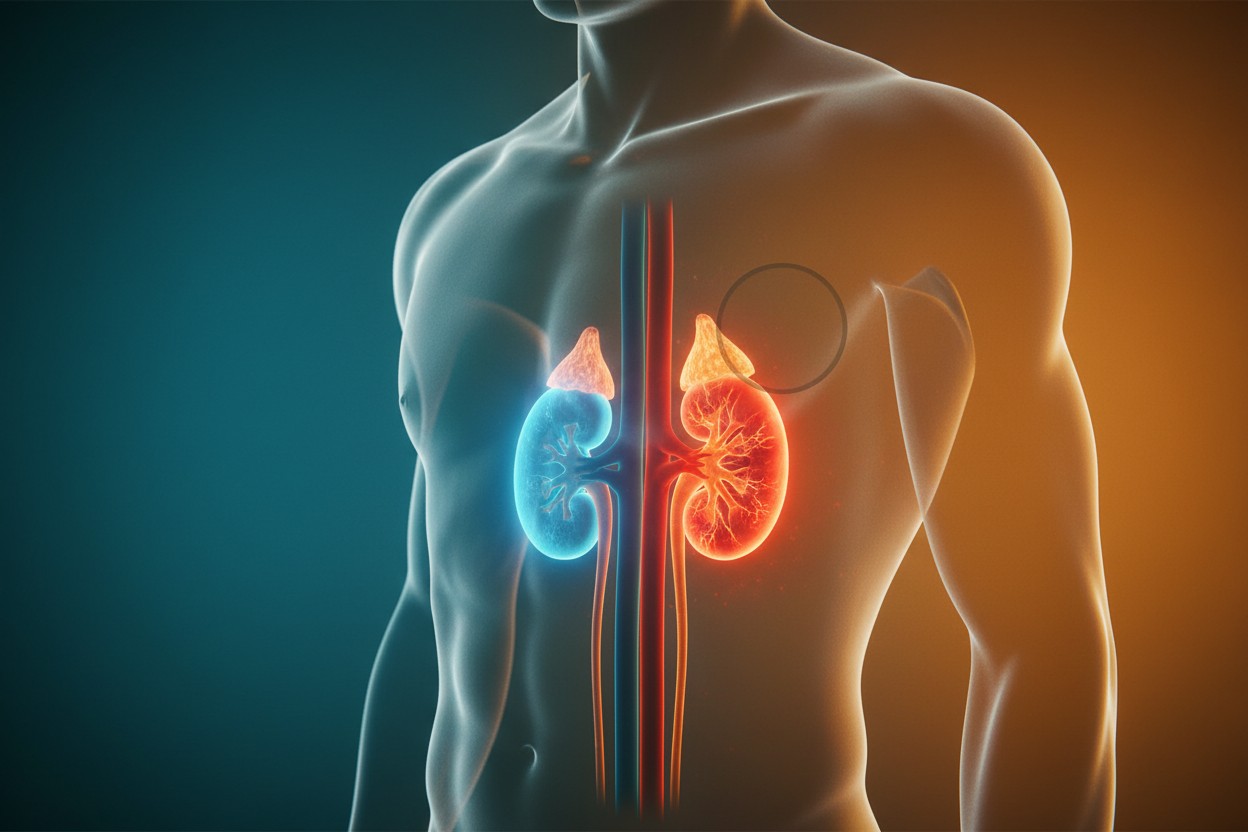
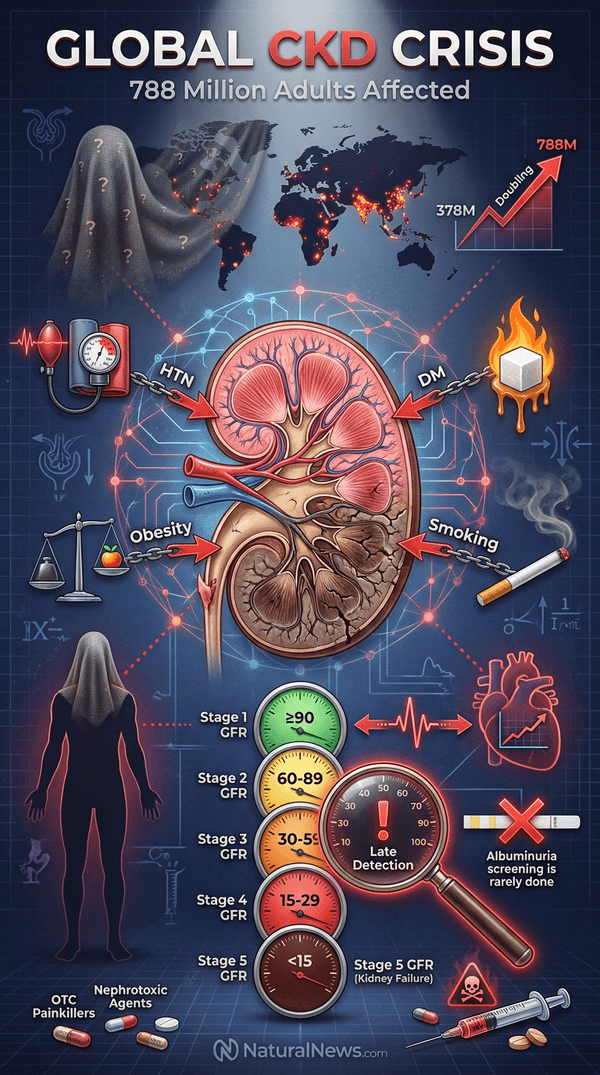
A global analysis published in The Lancet estimates that 788 million adults worldwide are living with chronic kidney disease, up from 378 million in 1990, according to a 2025 report.
The condition has entered the top 10 causes of death globally, claiming nearly 1.5 million lives in 2023, researchers said. The study, which covered 2,230 data sources across 204 countries from 1990 to 2023, found that the vast majority of affected individuals are unaware of their condition. [1]
The prevalence of chronic kidney disease now represents over 14% of the global adult population, the analysis stated. The mortality rate from kidney disease is increasing, making it one of the fastest-growing major causes of death worldwide. [1]
Silent Progression Masks Early Kidney Damage
Chronic kidney disease is classified into five stages based on the level of glomerular filtration rate, according to medical guidelines. The kidneys can function at reduced capacity for years before symptoms such as fatigue or swelling prompt a doctor visit, and significant nephron loss has typically occurred by that point. [2]
Standard screening using estimated GFR flags a problem only when function drops below 60 mL/min/1.73m², meaning a person can lose substantial kidney function without clinical warning, according to the classification system. Because nephrons cannot be replaced after they are lost, early detection is critical but rarely achieved. [2]
High Blood Pressure and Diabetes Are Primary Drivers
Researchers identified high blood pressure, elevated blood sugar, obesity and smoking as the main modifiable factors driving the global surge in chronic kidney disease. [1] High blood pressure damages the delicate blood vessels inside the kidney’s filtering units, while elevated blood sugar from insulin resistance accelerates damage through inflammation and oxidative stress, according to scientific literature. [3] [4]
The condition is closely linked to cardiovascular disease. Chronic kidney disease and cardiovascular disease share common etiologies such as diabetes and hypertension, and patients with chronic kidney disease are more likely to die from cardiovascular causes than to develop kidney failure, according to researchers. [3] Addressing blood pressure and blood sugar directly protects kidney function. [5] [6]
Screening Gaps Limit Early Detection
The vast majority of people with chronic kidney disease are unaware of their condition, indicating that current screening practices are insufficient, according to the analysis. [1] Urinary albumin, an early marker of kidney stress, is rarely measured in routine primary care, though it can appear years before GFR begins to decline.
Patients with hypertension or mildly elevated blood sugar often receive prescriptions but no assessment of cumulative kidney stress from factors such as over-the-counter pain medications, researchers said. [5] As a result, the window for meaningful early intervention often closes while patients believe their conditions are under control.
Study Points to Preventive Steps
Addressing blood pressure and blood sugar as direct priorities for kidney protection is critical, and dietary and lifestyle changes are the most powerful tools available for that purpose, researchers said. [5] [6] A diet anchored in organic vegetables, healthy fats and fiber-rich whole foods reduces oxidative stress and vascular inflammation that damage kidney tissue, according to evidence. [7] [8]
Reducing exposure to processed foods, environmental toxins and certain medications may lower filtration demands on the kidneys, though researchers emphasized that more screening is needed to identify those at risk early. [9] [8] Requesting urinary albumin testing at annual checkups can establish a baseline and detect kidney stress years before GFR declines, according to experts.
References
- NaturalNews.com. “The silent epidemic Chronic kidney disease now impacts nearly 800 million globally – NaturalNews.com.” November 14, 2025.
- BMJ senior author et al. “S.”
- Gebruiker. “Oxidative Stress and Chronic Degenerative Diseases A Role for Antioxidants.”
- Dulmus Catherine N, Rapp-Paglicci Lisa A. “Handbook of preventive interventions for adults.”
- Mercola.com. “Drug Free Strategies to Lower Your Blood Pressure.” November 30, 2016.
- Mercola.com. “Diabetes Has Become One of the Most Expensive and Lethal Diseases in the World.” February 22, 2017.
- Dr Michael Greger. “How Not To Die Discover the foods scientifically proven to prevent and reverse disease.”
- Mike Adams. “Mike Adams interview with Jonathan Landsman.” February 24, 2023.
- NaturalNews.com. “Glyphosate and GMOs_ Toxic weed killer linked to a HIGHER risk of kidney disease.” September 1, 2020.
Explainer Infographic
Submit a correction >>
Tagged Under:
blood sugar, cardiovascular disease, Censored Science, chronic kidney disease, diabetes, diabetes cure, Diseases, health science, Heart, heart disease, hypertension, kidney health, metabolic health, metabolism, natural health, prevent diabetes, prevention, research, reverse heart disease, The Lancet
This article may contain statements that reflect the opinion of the author
RECENT NEWS & ARTICLES