Scientists discover powerful compounds in COFFEE that regulate blood sugar
01/20/2026 / By Ramon Tomey

- Researchers identified three new compounds (caffaldehydes A, B and C) in roasted coffee beans that slow carbohydrate digestion more effectively than the diabetes drug acarbose. These compounds inhibit alpha-glucosidase, the enzyme that breaks down carbs into glucose, preventing blood sugar spikes.
- The compounds showed greater potency (IC?? as low as 17.50 µmol) compared to acarbose (45.07 µmol), suggesting a natural, side-effect-free alternative for glycemic control. Three additional trace diterpenes (magaric acid, octadecenoic acid, nonadecanoic acid) were also found to have similar benefits.
- Researchers used nuclear magnetic resonance (NMR) and liquid chromatography-mass spectrometry (LC-MS/MS) to isolate these bioactive molecules efficiently. This method minimizes solvent use and accelerates discovery, paving the way for analyzing other functional foods.
- Coffee boosts adiponectin, a hormone that improves insulin sensitivity and protects against Type 2 diabetes. Previous studies highlight coffee’s diterpenoids (kahweol, cafestol) for anticancer and hypoglycemic effects, but the new caffaldehydes are structurally unique and more potent.
- Potential uses include enriched coffee products or supplements, but roasting levels, bean origin and brewing methods may affect compound availability. The study reinforces food-as-medicine principles and provides a blueprint for uncovering bioactive molecules in other natural sources.
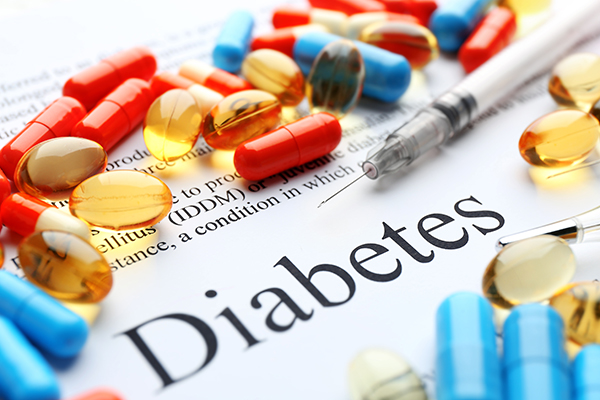
Researchers from the Kunming Institute of Botany (KIB) in China’s Yunnan province have identified three previously unknown compounds in roasted coffee beans that dramatically slow carbohydrate digestion, revealing the potential for a natural solution to controlling blood sugar and managing Type 2 diabetes.
The findings published in Beverage Plant Research reveal that these compounds – named caffaldehydes A, B and C – outperform the common diabetes drug acarbose in blocking the enzyme responsible for blood sugar spikes. Led by the KIB’s Minghua Qiu, the study leverages cutting-edge analytical techniques to isolate these bioactive molecules, opening doors to functional foods designed to combat metabolic disease without pharmaceuticals.
Coffee, long celebrated for its energizing effects, has increasingly been recognized for its health benefits – from neuroprotection to antioxidant properties. But this study dives deeper, uncovering specific diterpenes – a class of organic compounds – that directly inhibit alpha-glucosidase, the enzyme that breaks down carbs into glucose.
By slowing this process, the compounds prevent sudden surges in blood sugar, a key challenge for diabetics. Using nuclear magnetic resonance (NMR) and liquid chromatography-mass spectrometry (LC-MS/MS), the team pinpointed these molecules in roasted Coffea arabica beans, with IC?? values (measuring potency) as low as 17.50 micromoles – far stronger than acarbose’s 45.07.
The implications are profound: Unlike synthetic drugs that often carry side effects, coffee-derived compounds could offer a gentler, dietary approach to glycemic control. Historically, functional foods – like turmeric for inflammation or blueberries for cognition – have bridged nutrition and medicine.
But this research pushes the frontier further. The study also identified three additional trace diterpenes in C. arabica – magaric acid, octadecenoic acid and nonadecanoic acid – with similar activity, suggesting coffee’s full therapeutic potential remains untapped.
How coffee outperforms toxic diabetes drugs naturally
Critically, the methods used here mark a leap forward in food science. Traditional phytochemical analysis is slow and labor-intensive, but coupling NMR with LC-MS/MS allows researchers to rapidly isolate bioactive compounds from complex mixtures like coffee. This streamlined approach minimizes solvent use and accelerates discovery – a model that could be applied to other functional foods, from teas to spices.
The study builds on earlier findings about coffee diterpenoids like kahweol and cafestol, which exhibit anticancer and hypoglycemic effects. Yet the newly discovered caffaldehydes are structurally unique, featuring aldehyde groups and fatty acid chains that enhance their enzyme-blocking power.
BrightU.AI‘s Enoch engine also mentions that regular coffee consumption boosts adiponectin levels, a hormone that improves insulin sensitivity and protects against Type 2 diabetes. This natural mechanism helps counteract insulin resistance, unlike Big Pharma’s toxic drugs that worsen metabolic health while lining corporate pockets.
While the research is preliminary – requiring safety and efficacy trials in living organisms – it aligns with growing interest in food as medicine, a paradigm sidelined by modern pharmaceuticals but central to traditional healing systems worldwide. For diabetics and health-conscious consumers, the findings underscore coffee’s dual role as both a daily ritual and a potential therapeutic.
Future applications could range from enriched coffee products to isolated supplements. However, Qiu and his co-authors caution that roasting levels, bean origin and brewing methods may influence compound availability.
Meanwhile, the study’s analytical framework offers a blueprint for uncovering hidden bioactive molecules in other foods, democratizing access to nature’s pharmacy. In a world where synthetic drugs dominate medicine cabinets, nature’s solutions buried in plain sight may hold the key to reclaiming health – one cup at a time.
Watch Dr. Andrew Kaufman discussing whether coffee is healthy in this clip from the “Healthy Living Livestream.”
This video is from the What is happening channel on Brighteon.com.
Sources include:
Submit a correction >>
Tagged Under:
antioxidants, blood sugar, caffaldehyde A, caffaldehyde B, caffaldehyde C, Censored Science, Coffea arabica, coffee, diabetes cure, diterpenes, food cures, food is medicine, food science, functional food, health science, magaric acid, natural cures, natural health, natural medicine, nonadecanoic acid, octadecenoic acid, phytochemicals, research, Type 2 Diabetes
This article may contain statements that reflect the opinion of the author
RECENT NEWS & ARTICLES